
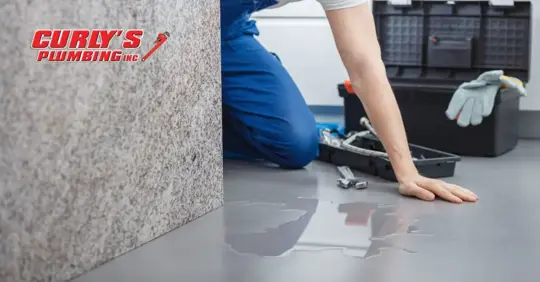
Water leaks don't always announce themselves with obvious puddles or dripping faucets. Many leaks hide behind walls, under floors, or beneath your home's foundation, silently causing damage and driving up your water bills. If you're a homeowner in the Fort Worth area, learning to identify the warning signs of hidden water leaks can save you thousands of dollars in repairs and prevent serious structural damage to your property.
Don't let a hidden leak damage your home—contact Curly's Plumbing Inc. today by calling (817) 859-6762 or filling out our online contact form for professional leak detection services.
Why Hidden Water Leaks Are a Serious Problem
Hidden water leaks are more than just a minor inconvenience. Even a small leak can waste hundreds of gallons of water each month, leading to unexpectedly high utility bills. Beyond the financial impact, undetected leaks create the perfect environment for mold growth, which can trigger allergies and respiratory issues for your family. Over time, water damage weakens your home's structural integrity, affecting everything from wooden beams to drywall and insulation.
The challenge with hidden leaks is that they often go unnoticed until significant damage has occurred. Unlike a leaking faucet you can see and hear, these concealed problems develop slowly and steadily. That's why knowing what to look for is essential for every homeowner.
Watch for Unexplained Increases in Your Water Bill
One of the earliest indicators of a hidden leak is a spike in your monthly water bill that doesn't match your usage patterns. If your water consumption habits haven't changed but your bill has jumped noticeably, you might have water escaping somewhere in your plumbing system.
To check if you have a leak, try this simple test: turn off all water-using appliances and fixtures in your home, then check your water meter. Write down the numbers, wait an hour without using any water, and check the meter again. If the numbers have changed, water is flowing somewhere even though nothing is running, which typically indicates a leak.
Most homeowners use a consistent amount of water from month to month. A sudden increase of 10% or more is worth investigating, especially during seasons when outdoor water use is minimal.
Look for Signs of Water Damage
Water stains and discoloration on your walls, ceilings, or floors often point to hidden leaks. These stains typically appear as yellowish or brownish spots that may start small and gradually expand. You might also notice paint or wallpaper that's bubbling, peeling, or warping without an obvious explanation.
Check these common areas for water damage signs:
- Ceilings below bathrooms or kitchens: Dark spots or sagging areas can indicate leaking pipes above.
- Walls near plumbing fixtures: Discoloration around toilets, sinks, or shower areas suggests moisture problems.
- Baseboards and trim: Warping, staining, or separation from the wall may signal water intrusion.
- Flooring: Buckling, curling, or soft spots in hardwood, laminate, or tile can mean water is seeping from below.
Pay attention to any musty odors accompanying these visual signs. A persistent damp smell, especially in areas that should be dry, often indicates hidden moisture and possible mold growth resulting from an undetected leak.
Listen for Running Water When Everything Is Off
Your home should be relatively quiet when no water fixtures or appliances are running. If you hear the sound of running or dripping water when everything is turned off, this audible clue shouldn't be ignored.
Walk through your home during a quiet time, preferably when outside noise is minimal. Listen carefully near walls, under sinks, and around toilets and water heaters. The sound of water moving through pipes when nothing is in use strongly suggests a leak somewhere in your plumbing system. You might also hear hissing sounds near your water heater or pipes, which can indicate a leak or pressure issue.
Check for Mold, Mildew, and Musty Odors
Mold and mildew thrive in damp environments, making them reliable indicators of hidden moisture problems. If you notice mold growing in unusual places—not just in typically humid areas like bathrooms—you may have a water leak providing the moisture needed for growth.
Visible mold often appears as black, green, or white spots on walls, ceilings, or in corners. However, you might smell mold before you see it. A persistent musty or earthy odor that doesn't go away with normal cleaning usually means moisture is trapped somewhere it shouldn't be.
Areas to inspect for mold and moisture issues include closets, cabinets under sinks, basements, and crawl spaces. Remember that mold can cause health problems, so addressing both the mold and the underlying leak is important for your family's wellbeing.
Monitor Your Water Pressure
Inconsistent or suddenly low water pressure throughout your home can signal a leak in your plumbing system. When water escapes through a leak, less water reaches your faucets and fixtures, resulting in noticeably weaker flow.
If you experience pressure drops in multiple locations rather than just one fixture, the problem likely exists in your main water line. Slab leaks, which occur in pipes running beneath your home's concrete foundation, are particularly notorious for causing pressure issues while remaining completely hidden from view.
Pressure changes might be subtle at first, so pay attention to how your showers, sinks, and outdoor faucets perform over time. Gradual decreases in pressure are easier to miss than sudden drops but are equally concerning.
Inspect Your Foundation and Yard
Water leaks beneath your home can manifest as problems with your foundation or landscape. Walk around your property looking for areas of your yard that are unusually wet, green, or lush compared to surrounding areas. If one section of grass grows noticeably better than the rest without additional watering, an underground leak might be feeding it.
Foundation issues to watch for include:
- New cracks appearing in your home's foundation or exterior walls
- Floors that feel uneven or have developed noticeable slopes
- Doors and windows that suddenly stick or don't close properly
- Gaps between walls and the ceiling or floor
These structural changes can occur when water from underground leaks softens the soil beneath your foundation, causing settling or shifting. In the Fort Worth area, where soil conditions can already challenge foundations, a hidden leak adds unnecessary risk to your home's stability.
Pay Attention to Your Water Heater
Your water heater can develop leaks that aren't immediately visible. Check the area around your water heater regularly for signs of moisture, rust, or corrosion. Small puddles or damp spots near the base of the unit shouldn't be dismissed as condensation.
Listen for unusual sounds coming from your water heater, such as popping, hissing, or banging noises. While some sounds are normal as the unit heats water, new or changing sounds might indicate internal problems or leaks developing within the system.
Use Technology to Your Advantage
Modern smart home technology offers helpful tools for detecting leaks early. Smart water meters and leak detection systems can monitor your water usage patterns and alert you to abnormal flow that might indicate a leak. These devices connect to your smartphone and can notify you immediately if they detect unusual water consumption, even when you're away from home.
While these systems represent an investment, they can potentially save you money by catching leaks before they cause extensive damage. Some insurance companies even offer discounts for homeowners who install leak detection technology.
Know When to Call a Professional
While you can identify many warning signs of hidden leaks on your own, locating and repairing these leaks typically requires professional expertise. Plumbing professionals use specialized equipment like acoustic listening devices, thermal imaging cameras, and pressure testing tools to pinpoint leaks without causing unnecessary damage to your walls or floors.
Attempting DIY repairs for hidden leaks can sometimes worsen the problem or create additional damage. Professional plumbers have the training and equipment to properly diagnose the issue, access the leak without excessive demolition, and complete repairs that address the root cause rather than just the symptoms.
Get Expert Leak Detection in the Fort Worth Area
If you've noticed any warning signs of a hidden water leak in your home, taking quick action can prevent costly damage and restore your peace of mind. The experienced team at Curly's Plumbing Inc. specializes in leak detection and repair, using advanced technology to locate hidden leaks quickly and accurately.
Don't wait until a small leak becomes a major disaster—call (817) 859-6762 or complete our online contact form to schedule your leak detection service today.